What Credit Score Do I Need to Buy a Car?

If you’re asking, “What credit score do I need to buy a car?”, the most important thing to know is that there is no single “magic” credit score required to finance a vehicle.
Car buyers have a wide range of credit profiles. Some have excellent credit, some have average or challenged credit, and first-time buyers may have little or no established credit history.
Your credit score matters, but it is only one piece of the auto financing puzzle.
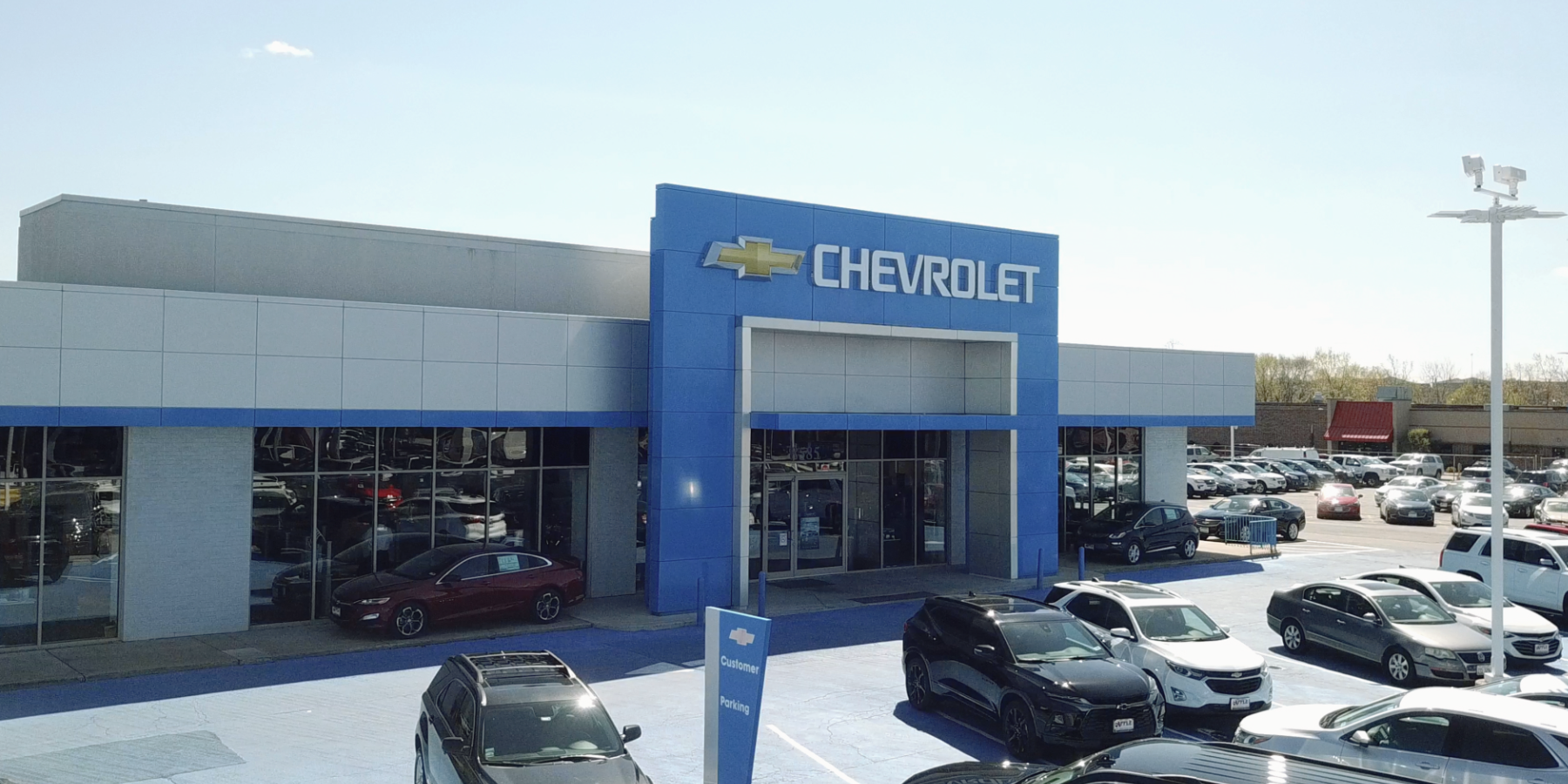
At Apple Chevrolet, our Tinley Park Chevrolet team can help you understand your financing options, discuss the factors lenders may consider, and explore available solutions based on your individual situation.
Is There a Minimum Credit Score to Buy a Car?
There is no universal minimum credit score required to buy or finance a vehicle.
Individual lenders establish their own approval criteria. While your credit score can play an important role, lenders may consider several parts of your overall financial situation when reviewing an auto loan application.
These can include:
- Credit score and credit history
- Income
- Employment and job stability
- Existing debt
- Payment history
- Down payment
- Amount you want to finance
- The vehicle you select
- Overall financial situation
Because every application is different, focusing on one specific credit score does not tell the entire story.
Does a Better Credit Score Help When Financing a Car?
Generally, a stronger credit profile can help you qualify for more favorable auto financing terms.
Depending on the lender and your overall application, stronger credit may help with factors such as:
- Lower interest rates
- Lower financing costs
- More favorable loan terms
- Potentially lower monthly payments
However, having less-than-perfect credit does not automatically mean the answer is “no.”
There may still be financing options available depending on your complete financial situation and the lender’s requirements.
Can I Buy a Car With Average Credit?
Yes, buyers with average credit may have auto financing options available.
Your credit score is only one factor a lender may consider. Your income, employment history, existing debt, down payment, payment history, and the vehicle you select may also affect your application.
Instead of assuming you will or will not qualify based on a credit score alone, it can be helpful to explore the financing options available for your specific situation.
Can I Buy a Car With Bad or Challenged Credit?
Having challenged or less-than-perfect credit does not necessarily prevent you from financing a vehicle.
Lenders work with a variety of credit profiles, although interest rates, loan terms, down payment requirements, and available options may differ.
If you’re concerned about your credit, our team at Apple Chevrolet can help you review available financing options and better understand possible paths forward.
Can I Finance a Car With No Credit History?
Having little or no credit history can make the financing process different, but it does not necessarily mean you cannot finance a vehicle.
This is particularly relevant for first-time car buyers who may not have had an opportunity to establish a long credit history.
Depending on the lender, factors such as your income, employment stability, down payment, and overall financial situation may be considered alongside your credit history.
What Do Lenders Look at Besides Your Credit Score?
Your credit score is important, but lenders may look at the bigger picture when considering an auto loan application.
Income
Your income can help a lender determine whether the proposed vehicle payment fits within your financial situation.
Job Stability
Consistent employment and income history may be considered as part of your application.
Down Payment
Putting money down reduces the amount you need to finance and may affect how your loan is structured.
Debt and Payment History
Existing financial obligations and your history of making payments can provide additional information about your overall credit profile.
The Vehicle You Choose
The price, age, mileage, and value of the vehicle can also factor into the financing process.
All of these factors help explain why two car buyers with the same credit score may receive different financing options.
Does My Credit Score Affect My Car Loan Interest Rate?
Your credit profile can affect the auto loan interest rate available to you.
Generally, stronger credit may help a buyer qualify for a lower interest rate, while challenged credit may result in a higher rate or different financing terms.
However, your credit score is not the only factor.
The lender, loan amount, vehicle, loan term, down payment, income, and overall financial profile can also affect the terms you are offered.
Does My Credit Score Affect My Monthly Car Payment?
Your credit profile may affect your monthly payment because it can influence the interest rate and loan terms available to you.
However, your monthly car payment is determined by several factors, including:
- Vehicle purchase price
- Amount financed
- Down payment
- Trade-in value
- Interest rate
- Loan term
- Applicable taxes and fees
This is why shopping based only on a desired monthly payment does not always provide the full picture. Understanding the complete financing terms can help you make a more informed decision.
Can a Down Payment Help Me Finance a Car?
A down payment may help because it reduces the amount of money you need to finance.
Depending on your situation and lender requirements, putting money down may also affect your loan structure or monthly payment.
There is no single down payment amount that is right for every car buyer. The amount that makes sense for you depends on your budget, the vehicle you select, your trade-in, and the financing options available.
Can a Trade-In Help With Auto Financing?
If you currently own a vehicle, its trade-in value may be applied toward your next purchase.
If your vehicle is worth more than the amount you owe, you may have positive equity that can potentially be applied toward your next vehicle.
Your trade-in value, down payment, and financing options can all work together when determining how much you may need to finance.
Should I Check My Credit Before Buying a Car?
Checking your credit before shopping for a vehicle can be helpful.
It can give you a better understanding of your current credit profile and allow you to review your credit reports for information that may need attention.
However, remember that the score you see through a consumer credit service may not necessarily be identical to the score an auto lender uses.
Rather than focusing entirely on a particular number, consider your overall financial situation and the financing options available to you.
Watch: What Credit Score Do I Need to Buy a Car?
There is no “magic” credit score for buying a car.
In this video, the team at Apple Chevrolet explains why your credit score is only one piece of the financing puzzle. Lenders may also consider factors such as your income, job stability, down payment, debt, payment history, and the vehicle you select.
Whether you have excellent credit, average credit, challenged credit, or little to no credit history as a first-time buyer, there may be a path forward.
Our team can help you review available financing options, understand rates, terms, and payment scenarios, and explore solutions that fit your individual situation.
Frequently Asked Questions About Credit Scores and Car Financing
What credit score do I need to buy a car?
There is no single credit score required to buy or finance a car. Lenders have different requirements and may consider your credit history, income, debt, down payment, employment, vehicle selection, and other financial factors.
What is the minimum credit score for a car loan?
There is no universal minimum credit score for an auto loan. Requirements vary by lender, and approval depends on more than your credit score alone.
Can I get a car loan with a 600 credit score?
Auto financing may be available at many different credit levels. A 600 credit score does not guarantee approval or denial. Lenders may also consider your income, debt, payment history, down payment, vehicle, and overall financial profile.
Can I finance a car with a 500 credit score?
Some lenders may offer financing options to applicants with lower credit scores. Approval, rates, and terms depend on the lender and the applicant’s complete financial situation.
Can I buy a car with no credit?
It may be possible to finance a vehicle with little or no established credit history. This can be common for first-time buyers. Income, employment stability, down payment, and other factors may become especially important.
Does better credit mean a lower car payment?
Better credit may help you qualify for a more favorable interest rate, which can affect your monthly payment. Your vehicle price, down payment, trade-in value, loan amount, loan term, taxes, and fees also affect the final payment.
Can I buy a car after rebuilding my credit?
Potential financing options depend on your current credit profile and overall financial situation. If you’ve been rebuilding your credit, speaking with a finance professional can help you understand what options may currently be available.
Explore Auto Financing at Apple Chevrolet in Tinley Park, IL
If you’re wondering what credit score you need to buy a car, do not assume that one number determines your options.
At our Orland Park Chevy dealership, we help customers with a variety of credit profiles explore available auto financing solutions. Whether you have excellent credit, average credit, challenged credit, or are a first-time buyer with limited credit history, our team can help you better understand your options.
We can review available financing options, explain rates and terms, discuss potential payment scenarios, and help you find a new Chevy or pre-owned vehicle that fits your needs and budget.
Apple Chevrolet proudly serves car shoppers from Tinley Park, Orland Park, Frankfort, Mokena, and surrounding Chicago suburbs.
Contact Apple Chevrolet or stop by our Tinley Park Chevy dealership to explore your auto financing options and find the right path forward for your situation.